
Bonded Container Freight Station (CFS)
Efficient Cargo Handling at Our Bonded CFS Facility
Efficient Bonded CFS Solutions
TRT International offers comprehensive Bonded Container Freight Station (CFS) services, providing secure, customs-controlled storage and handling for imported and exported cargo of all sizes. Our bonded CFS allows shipments to remain under customs supervision, so duties and taxes do not need to be paid immediately, giving clients greater flexibility and financial control.
At our facility, shipments can be efficiently consolidated for export or deconsolidated upon import, ensuring each cargo reaches its destination safely and on time. We also provide secure short-term storage for both bonded and non-bonded goods, equipped with 24/7 monitoring and professional handling to protect against damage, theft, or loss.
With full support for customs documentation and compliance, TRT International’s bonded CFS services streamline logistics and simplify complex cargo operations, offering importers, exporters, and freight forwarders a reliable, end-to-end solution for managing their supply chain.
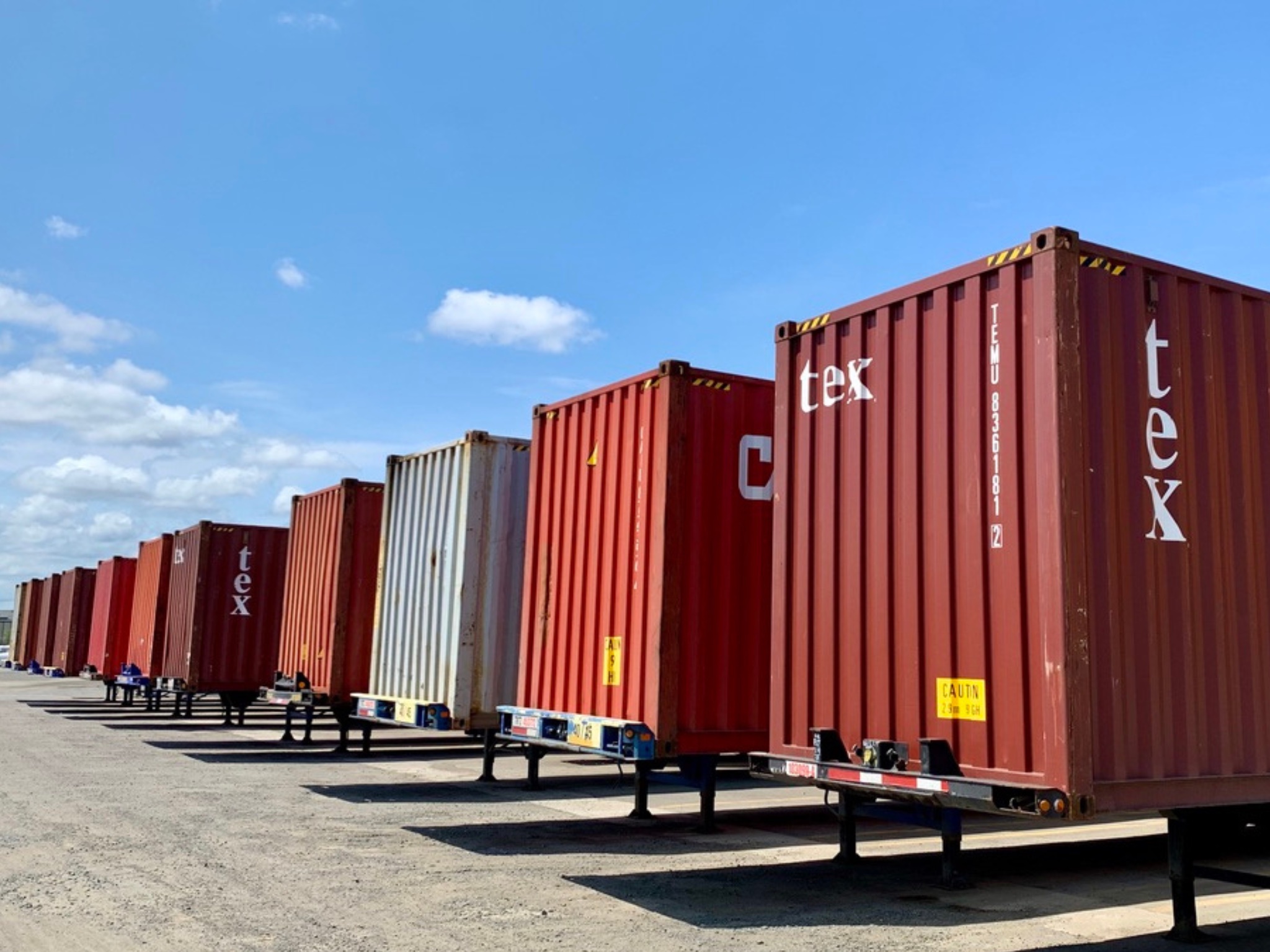
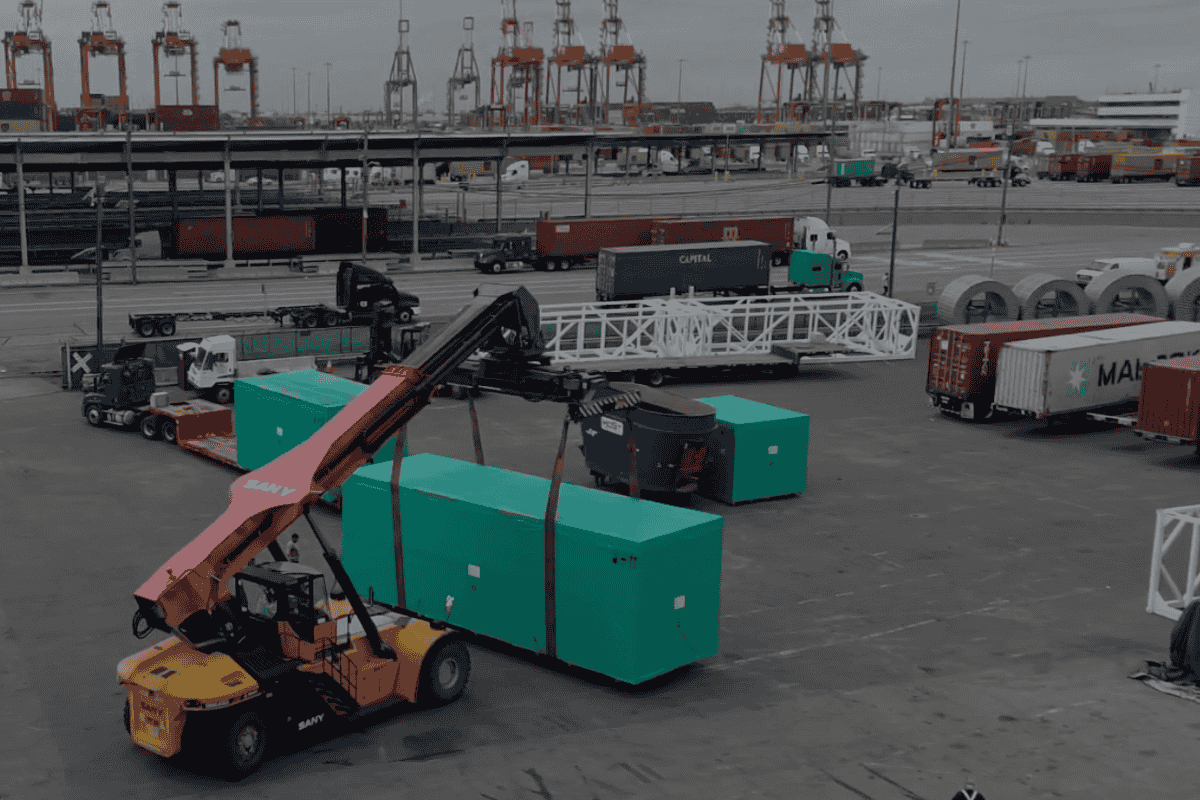
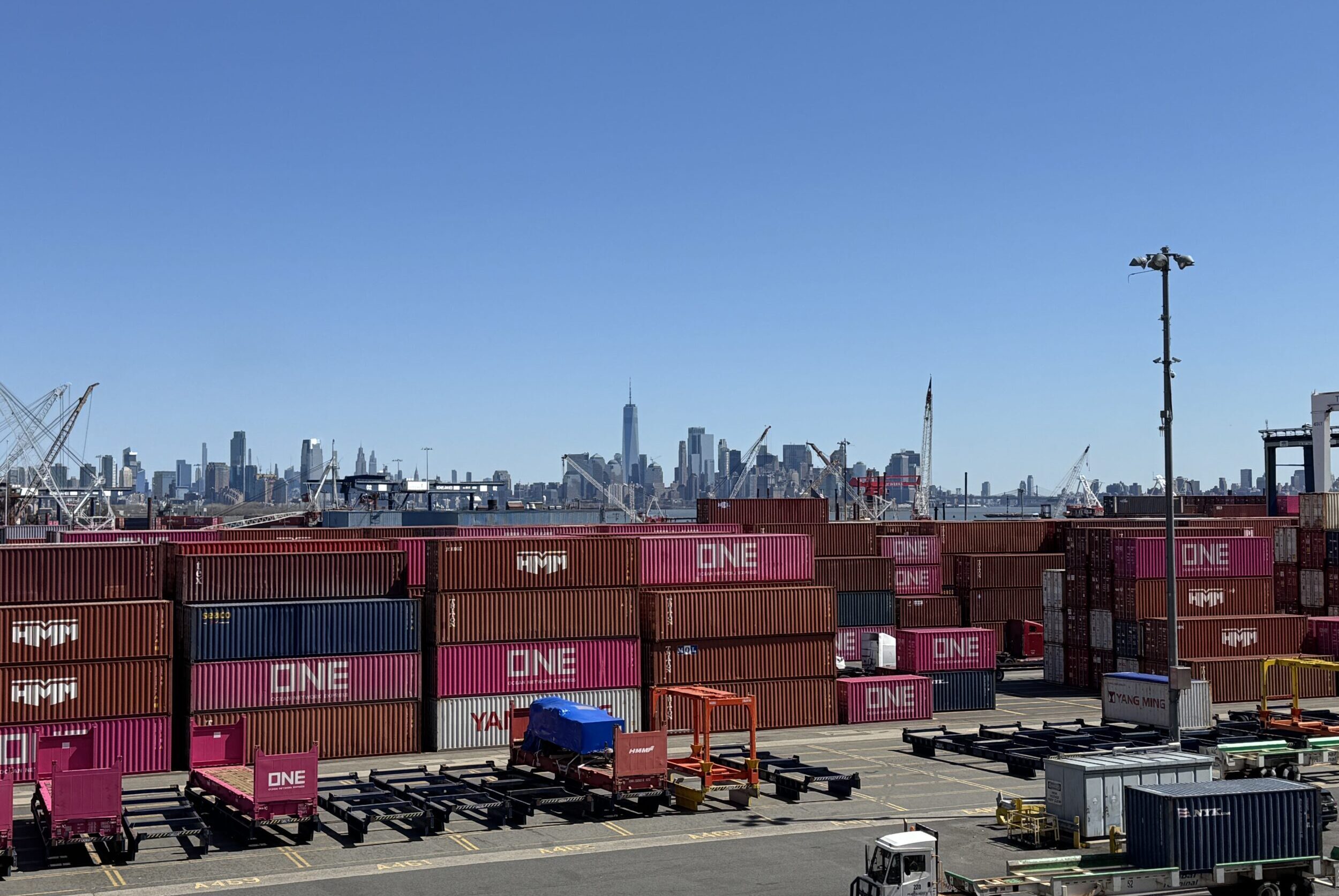
Customs-Controlled Storage
TRT International’s bonded CFS provides a fully secure, customs-supervised environment where imported and exported goods can be stored safely. Clients can defer duty and tax payments until their shipments are released for domestic distribution or further transport, allowing for better financial planning and operational flexibility. This ensures complete compliance with all U.S. customs regulations while giving businesses peace of mind knowing their cargo is under professional supervision.
Consolidation & Deconsolidation
Our facility efficiently consolidates smaller shipments from multiple suppliers into single containers for export, maximizing space and reducing transportation costs. For imports, cargo is carefully deconsolidated to ensure that each consignee receives the correct goods promptly and intact. TRT International’s experienced staff oversees every step, using modern equipment and proven processes to minimize handling risks and streamline the flow of goods.
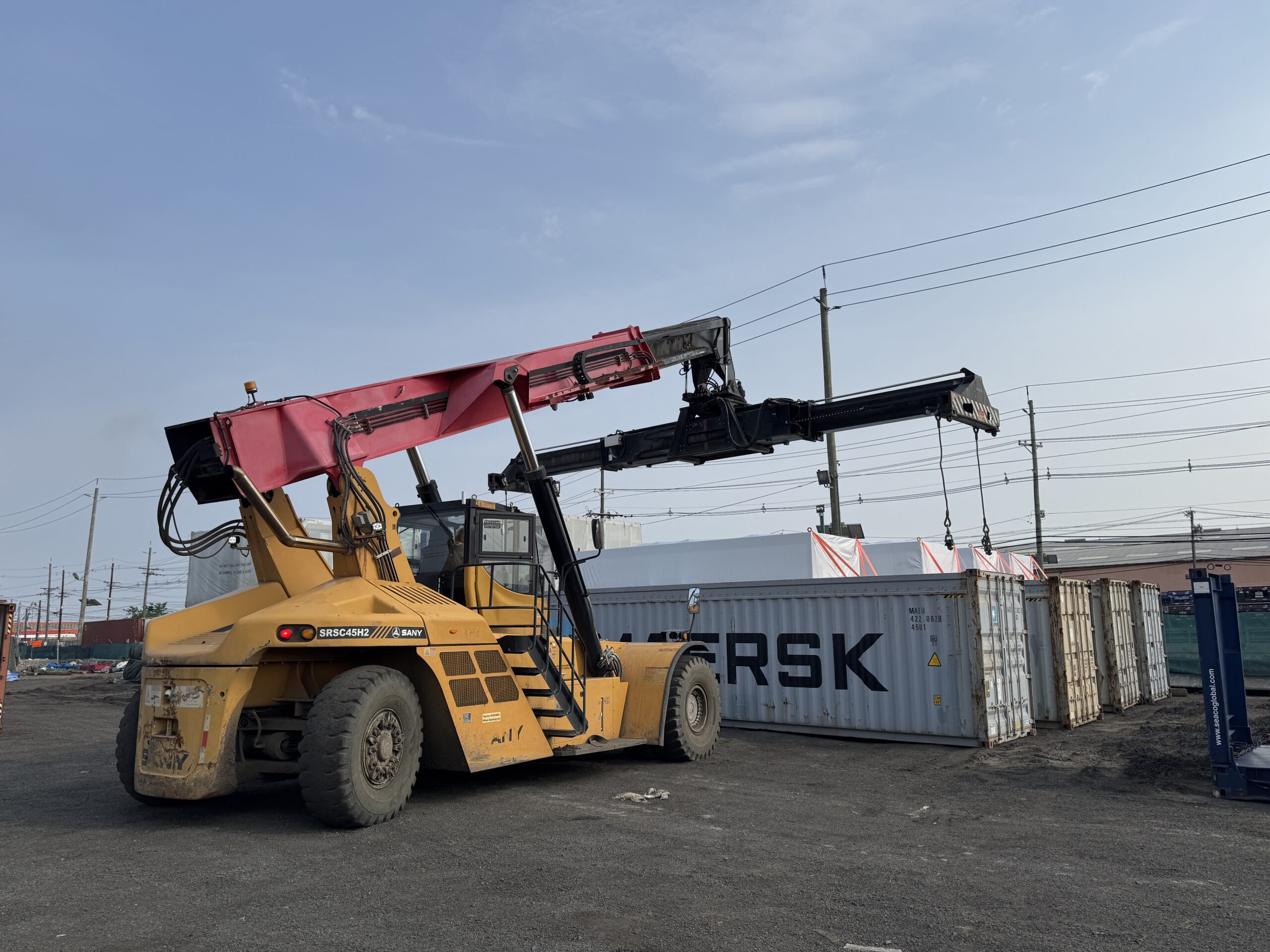
Flexible Short-Term Storage
Whether clients are shipping LCL (Less than Container Load) or FCL (Full Container Load) cargo, TRT International offers adaptable storage solutions to accommodate varying shipment sizes. Our facilities are equipped with advanced shelving, pallets, climate control where necessary, and 24/7 monitoring to prevent damage, theft, or loss. This flexibility ensures that both bonded and non-bonded cargo can be securely stored for as long as required, supporting diverse logistics needs.
Compliance and Documentation Support
Moving cargo through international borders requires meticulous documentation and adherence to customs rules. TRT International assists clients with all required paperwork, filings, and coordination with regulatory authorities, ensuring smooth customs clearance and reducing the risk of delays or penalties. Our team’s expertise allows businesses to focus on their operations while we manage the complex logistics of bonded storage and shipment handling.
Deferred Duties
Store goods under U.S. Customs and defer duties until release, keeping full control of your inventory.
Flexible Terms
Short- or long-term storage options to match your supply chain and shipping needs.
Regulatory Compliance
Fully compliant, bonded, and regularly inspected for U.S. Customs and Border Protection (CBP) standards.
Enhanced Security
24/7 surveillance, gated access, and full perimeter protection to keep your inventory secure.
Strategic Port Access
Located inside the Port Newark–Elizabeth Marine Terminal — no inland trucking or delays.
Why Choose Our Bonded Warehouse?
Related services
Related services: Warehouse Services and Drayage Services.
What Is a Bonded Warehouse?
A bonded warehouse is a customs-controlled storage facility where imported goods can be held under U.S. Customs supervision without duties and taxes being paid the moment the cargo arrives. A Container Freight Station (CFS) is the working side of that arrangement — the facility where container freight is received, consolidated for export, or deconsolidated on import. TRT International’s bonded CFS in Newark combines both: secure bonded storage and hands-on cargo handling in one facility, inside the Port Newark–Elizabeth Marine Terminal. Imported and exported cargo of all sizes can stay under customs control while it waits for clearance, onward transport, or release into domestic distribution — and our team manages the storage, the handling, and the documentation in between.
How In-Bond Cargo Handling Works at TRT
From the moment a container reaches the port to the day the cargo is released, every step is handled by TRT’s own team — in the port, under one roof.
Step 1 — Port pickup and receipt
Our Drayage Services team collects the container at Port Newark-Elizabeth, and the cargo moves a short distance into our bonded CFS — inside the marine terminal, so there is no inland trucking leg before your freight is received and placed under customs supervision.
Step 2 — Deconsolidation and secure storage
On import, cargo is carefully deconsolidated so each consignee’s goods are separated and accounted for; for export, smaller shipments are consolidated into single containers to maximize space. Bonded and non-bonded goods can both be held in secure short-term storage — LCL (Less than Container Load) or FCL (Full Container Load) — in a facility equipped with advanced shelving, pallets, and climate control where necessary.
Step 3 — Documentation and compliance while cargo waits
While your shipment is in bond, our team assists with the required paperwork, filings, and coordination with regulatory authorities, so the customs side keeps moving even while the cargo stays put. The facility is fully compliant, bonded, and regularly inspected for U.S. Customs and Border Protection (CBP) standards.
Step 4 — Release or onward movement
When the cargo is ready, it is released for domestic distribution — duties and taxes are paid at release, not on arrival — or it moves on to its next leg: deconsolidated delivery to consignees, transloading for onward transport, or preparation by our Warehouse Services team — storage, wrapping, and crating — before final delivery.
Who Needs Bonded Storage — and Why
Bonded storage solves a timing problem: the cargo has arrived, but the payment, the paperwork, or the next leg of the journey is not ready yet. It is built for:
- Importers awaiting customs clearance — hold cargo under customs supervision inside the port while documentation and clearance are completed
- Businesses managing cash flow — defer duty and tax payments until goods are released for domestic distribution or further transport, allowing better financial planning and operational flexibility
- Freight forwarders — a reliable, end-to-end CFS partner for consolidating and deconsolidating LCL and FCL cargo, with full documentation and compliance support
- Exporters combining shipments — consolidate smaller shipments from multiple suppliers into single containers, maximizing space and reducing transportation costs
- Project cargo shippers — in-bond and project cargo received and held inside the port, then prepared and hauled onward by the same company that runs the CFS
Bonded Storage in the Port: TRT’s Newark CFS
TRT operates many warehouses; its main ones are in Newark and Savannah. The bonded CFS sits in Newark, inside the Port Newark–Elizabeth Marine Terminal itself — in the port, not outside it. That location is the point: containers come off the terminal and move straight into customs-controlled storage, with no inland trucking or delays in between. The Newark location pairs the bonded CFS with 150,000 square feet of total warehouse space — a 120,000-square-foot warehouse plus a 30,000-square-foot warehouse with loading docks built for specialized cargo handling — and outdoor storage for out-of-gauge cargo, so bonded freight that needs staging, preparation, or onward heavy-haul transport never has to leave the TRT system. Our Savannah operation — a brand-new 316,800-square-foot warehouse with its own drayage team — connects to the same network for cargo moving through the Southeast; the bonded CFS itself is in Newark.
Security and Customs Compliance
Bonded cargo gets two kinds of protection at TRT: physical and regulatory. Physically, the bonded CFS provides a fully secure, customs-supervised environment with 24/7 surveillance, gated access, and full perimeter protection, and every shipment is professionally handled and monitored to protect against damage, theft, or loss. On the regulatory side, the warehousing is fully compliant, bonded, and regularly inspected for U.S. Customs and Border Protection (CBP) standards, and our team assists with all required paperwork, filings, and coordination with regulatory authorities — ensuring smooth customs clearance and reducing the risk of delays or penalties. You can focus on your operations while we manage the complex logistics of bonded storage and shipment handling.
One Team From Vessel to Release
Bonded storage rarely stands alone in a shipment’s journey — and at TRT it does not have to. The same company that runs the bonded CFS also runs the drayage that collects your container in the port, the warehousing that stores and stages it, and the Wrapping & Craning team that prepares it for its next move. In-bond project cargo can roll straight into Oversize Transportation or Specialized Services for its onward haul, and cargo arriving by sea connects with our Ocean Freight coordination. One team plans the path — port pickup, bonded holding, handling, and final delivery — with one point of contact, instead of your freight being handed off between vendors.
What to Send Us for a Bonded Storage Quote
To plan your bonded storage and put together an accurate quote, send us:
- What the cargo is, and whether it is arriving as an import, leaving as an export, or moving in bond
- How it is packed and how it arrives — LCL or FCL, crated, palletized, or loose
- Total size and weight, and how much storage space you expect to need
- How long you expect the cargo to stay in bond, if you know
- What it needs while it is with us — deconsolidation, consolidation, transloading, wrapping, crating, or onward delivery
- Where the cargo goes when it is released — domestic distribution, onward transport, or delivery to consignees
Send the details through our contact page, call us at +1 973 344 7100 ext 221, or email drayage@usatrt.com. We provide clear, detailed quotes before any shipment is accepted, ensuring there are no hidden fees.
Bonded Warehouse FAQs
What is a bonded warehouse?
A bonded warehouse is a customs-controlled facility where imported goods can be stored under U.S. Customs supervision without duties and taxes being paid on arrival. TRT International’s bonded Container Freight Station (CFS) in Newark adds cargo handling to that storage: shipments can be consolidated for export or deconsolidated on import, and held securely — bonded or non-bonded — until they are released or move on.
Do I have to pay duties and taxes as soon as my cargo arrives?
No. At our bonded CFS, shipments remain under customs supervision, so duty and tax payments can be deferred until the goods are released for domestic distribution or further transport. That gives your business greater flexibility and financial control over when those costs land.
Where is TRT’s bonded warehouse located?
TRT’s bonded Container Freight Station (CFS) is in Newark, New Jersey, inside the Port Newark–Elizabeth Marine Terminal — in the port, not outside it. TRT operates many warehouses; Newark and Savannah are the main ones, and the bonded CFS is part of the Newark location, alongside 150,000 square feet of total warehouse space.
Can TRT pick up my container at the port and hold it in bond?
Yes. Our drayage services cover container pickup at Port Newark-Elizabeth, and cargo can move directly into our bonded warehouse for secure storage under customs supervision — as well as transloading, wrapping, and crating before onward delivery.
Does TRT help with customs documentation and clearance?
Yes. We assist with all required paperwork, filings, and coordination with regulatory authorities, and we handle the customs documentation and processes for international shipments — ensuring compliance with regulations and smooth clearance so your cargo moves without complications.
Can TRT consolidate or deconsolidate shipments at the CFS?
Yes. For exports, we consolidate smaller shipments — including cargo from multiple suppliers — into single containers, maximizing space and reducing transportation costs. For imports, cargo is deconsolidated so each consignee receives the correct goods promptly and intact. We handle both LCL (Less than Container Load) and FCL (Full Container Load) cargo.
How secure is cargo in TRT’s bonded warehouse?
The bonded CFS provides a fully secure, customs-supervised environment with 24/7 surveillance, gated access, and full perimeter protection, plus professional handling to protect against damage, theft, or loss. The facility is fully compliant, bonded, and regularly inspected for U.S. Customs and Border Protection (CBP) standards.
How do I get a quote for bonded storage?
Call us at +1 973 344 7100 ext 221, email drayage@usatrt.com, or reach us through our contact page with details about your cargo — what it is, how much space it needs, and how long you expect to store it. We provide clear, detailed quotes before any shipment is accepted, ensuring there are no hidden fees.