Why Local Drayage in Port Newark, New Jersey Matters for Your Supply Chain
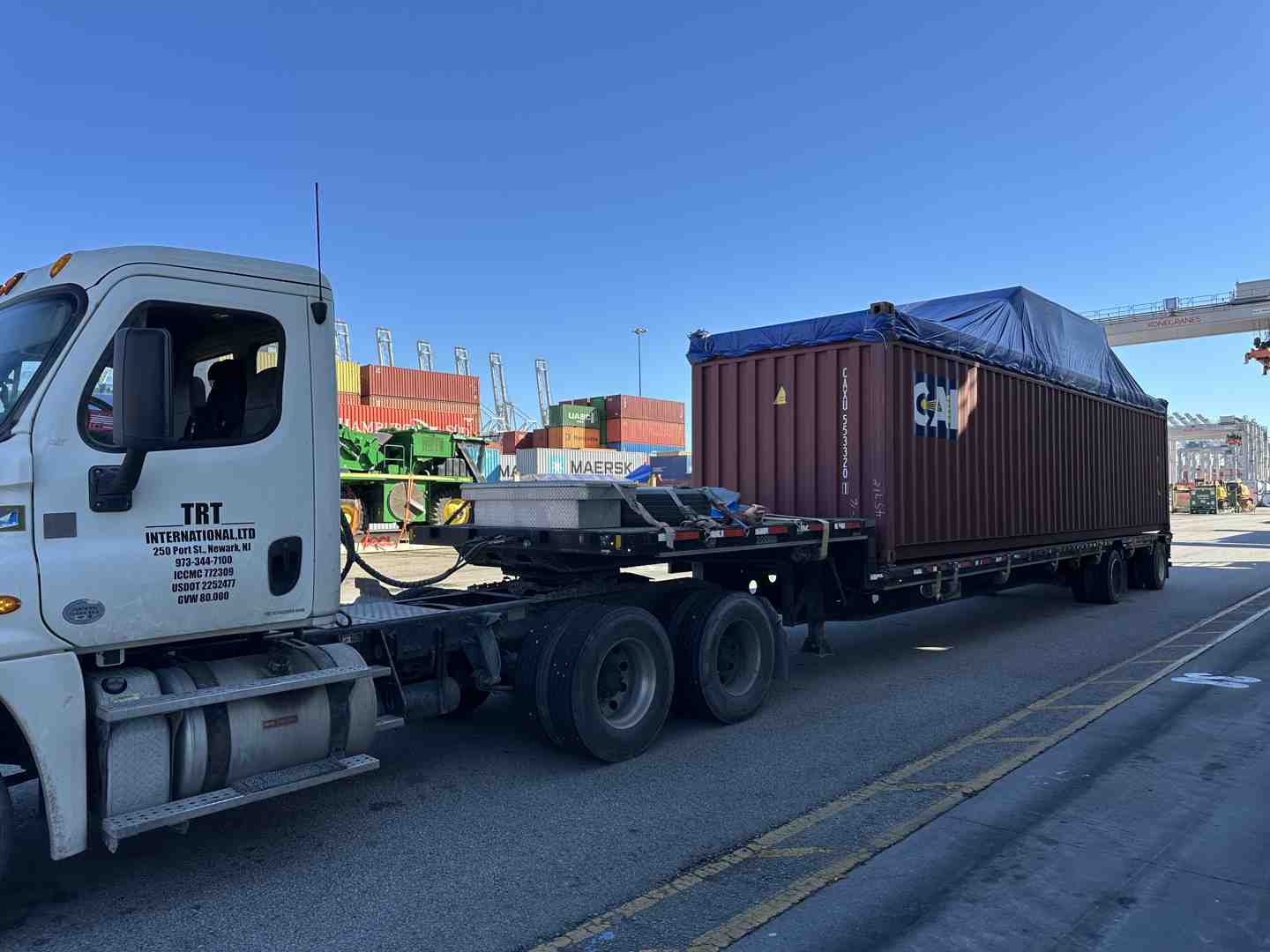
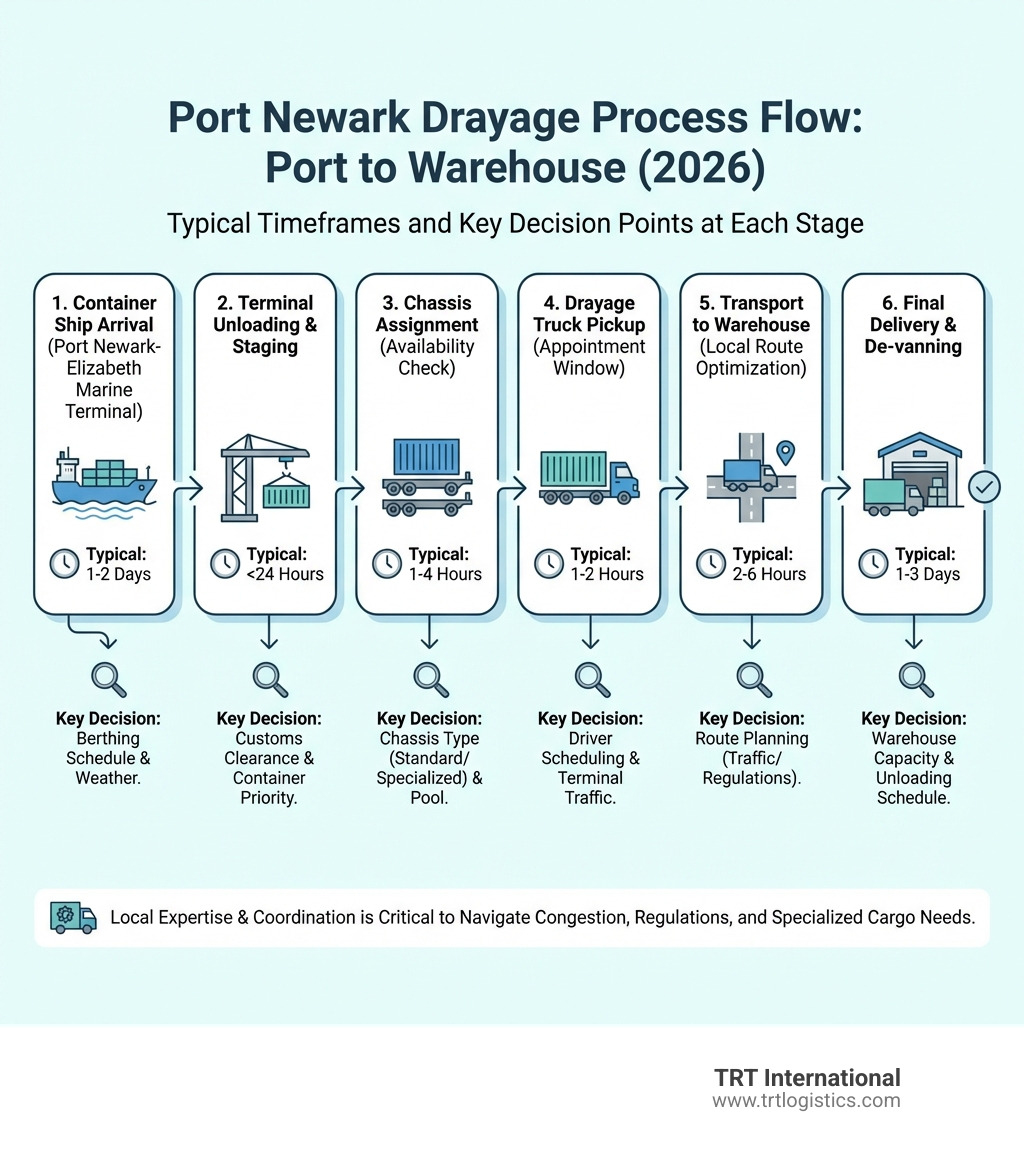
Local drayage in Port Newark, NJ is the short-distance transportation of shipping containers between the Port Newark-Elizabeth Marine Terminal and nearby warehouses, distribution centers, or rail yards. This first-mile and last-mile logistics service is critical for businesses importing or exporting cargo through one of the busiest ports in North America.
What You Need to Know About Local Drayage Newark:
- Definition: Transportation of containers within the Newark metro area, typically from port terminals to inland destinations
- Key Terminals Served: APM Terminals, Maher Terminals, Port Newark Container Terminal, GCT New York, and GCT Bayonne
- Primary Services: Container pickup/delivery, chassis provisioning, container storage, transloading, and cross-docking
- Average Volume: The Port of Newark handles millions of TEUs (twenty-foot equivalent units) annually
- Provider Landscape: 352 drayage companies serve the NYC/NJ intermodal region, with 328 operating specifically in New Jersey
The Port Newark-Elizabeth Marine Terminal complex is the largest container port on the East Coast and the third-largest in the United States. It serves as a critical gateway for global trade, connecting international shipping lines to the massive consumer markets of the Northeast corridor.
But moving cargo efficiently through this complex requires more than just trucks and drivers. It demands local expertise—knowledge of terminal procedures, relationships with port authorities, understanding of equipment availability, and the ability to steer congestion and regulatory requirements that can change daily.
For businesses handling specialized cargo—particularly oversized, overweight, or complex shipments—choosing the right drayage partner becomes even more critical. Delays at the port don’t just cost money in demurrage and per diem fees; they can disrupt entire supply chains and damage customer relationships.
The Heart of East Coast Logistics: Key Newark Ports and Terminals
When we talk about local drayage Newark, we’re primarily focused on the busy activity around the Port Newark-Elizabeth Marine Terminal. This isn’t just any port; it’s a colossal hub that plays a pivotal role in East Coast logistics. Think of it as the grand central station for cargo ships, connecting global trade directly to the vast consumer markets of the Northeast.
This sprawling complex houses several major terminal operators, each a crucial player in the drayage ecosystem. These include APM Terminals, Maher Terminals, and the Port Newark Container Terminal. Additionally, drayage services in the region also extend to GCT New York and GCT Bayonne, ensuring comprehensive coverage across the New York-New Jersey port area. These terminals are equipped with advanced container-handling equipment, such as massive gantry cranes and automated stacking cranes, that efficiently transfer millions of containers between ships and land.
Beyond the immediate port facilities, the strategic location of Newark is further improved by its intermodal rail ramps. These ramps allow for seamless transfers of containers from trucks to trains, extending the reach of the port’s cargo deep into the North American interior. The port’s proximity to major highways like the New Jersey Turnpike (I-95) and I-78 provides excellent connectivity, making it an ideal gateway for distributing goods throughout the region and beyond.
Why Port Newark, NJ is a Global Trade Gateway
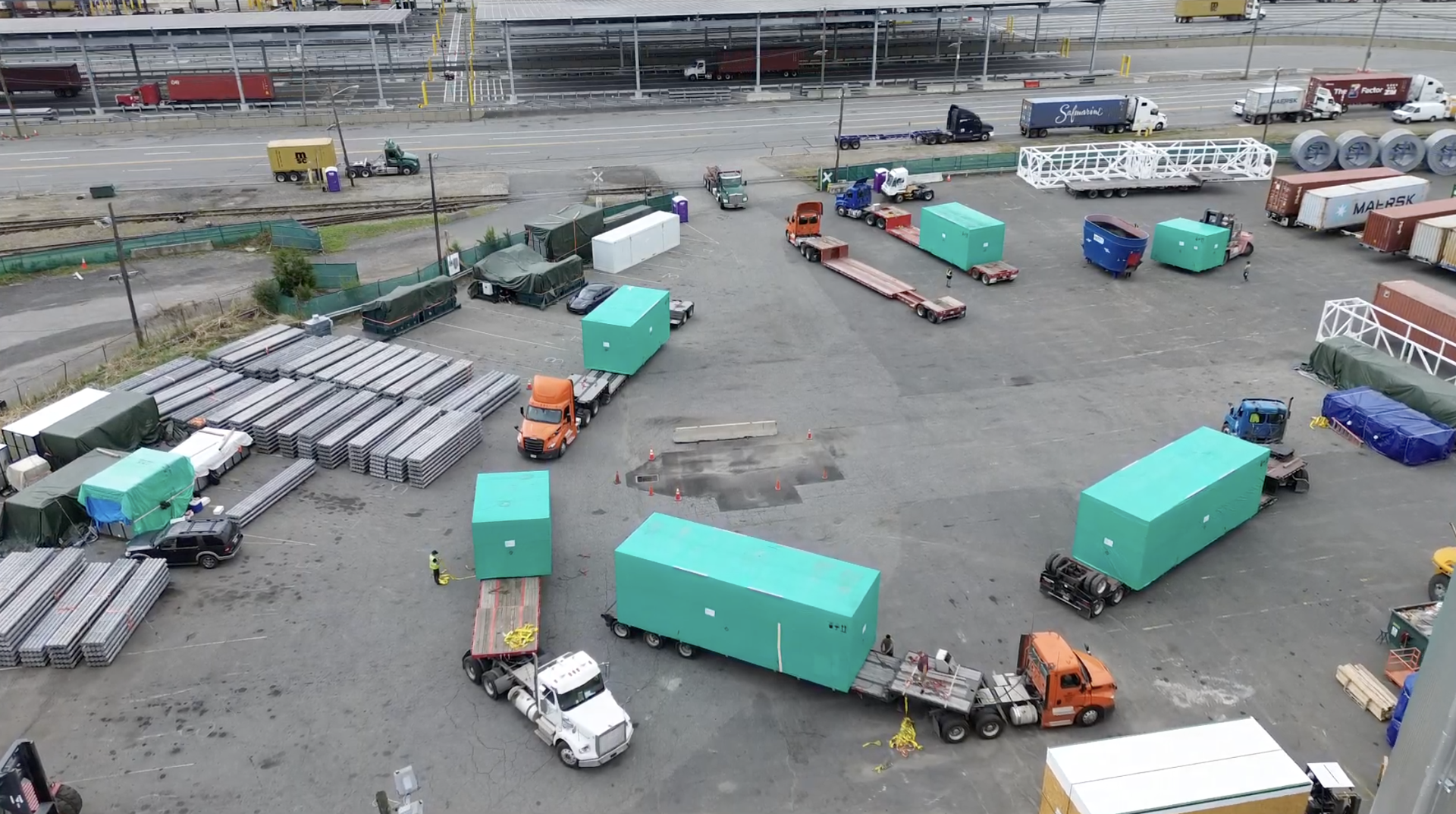
The Port of Newark’s status as a global trade gateway is undeniable. It consistently handles millions of TEUs (twenty-foot equivalent units) of cargo each year, making it a powerhouse for international shipping. Major shipping lines such as Maersk, MSC, and CMA CGM rely on this port for their transatlantic and transpacific routes, funneling a diverse array of goods into the U.S. market.
This immense volume of cargo, coupled with superb access to consumer markets, underscores Newark’s economic importance. The port serves as a critical artery for the regional economy, supporting countless businesses and jobs. For a deeper dive into how freight forwarding plays a role in this vibrant ecosystem, explore More info about Newark freight forwarding. The efficiency of local drayage Newark directly impacts the fluidity of this entire supply chain, from the moment a container is offloaded to its final destination.
Navigating the Poet Newark, NJ Landscape: Benefits and Common Challenges
Operating in the dynamic environment of local drayage Newark comes with both significant advantages and unique problems. The primary benefit, without a doubt, is the promise of speed to market. Being so close to one of the nation’s largest consumer bases means that efficient drayage can drastically reduce transit times, getting products from ship to shelf faster. This proximity also grants businesses unparalleled access to a vast network of warehousing and distribution centers, crucial for optimizing inventory management.
However, the very popularity of the Port of Newark also presents its share of challenges. Demurrage and per diem fees are the bane of any logistics manager’s existence. These charges, incurred when containers aren’t moved off port or returned within their allotted “free time,” can quickly escalate into six-figure sums, as seen in cases where hundreds of containers get stuck. Port congestion is a perennial issue, leading to frustrating delays for trucks trying to enter or exit terminals. Chassis shortages, the lack of specialized trailers needed to transport containers, can further exacerbate these delays. Navigating complex appointment systems and carefully managing free time are daily battles that require experience and strategic planning.
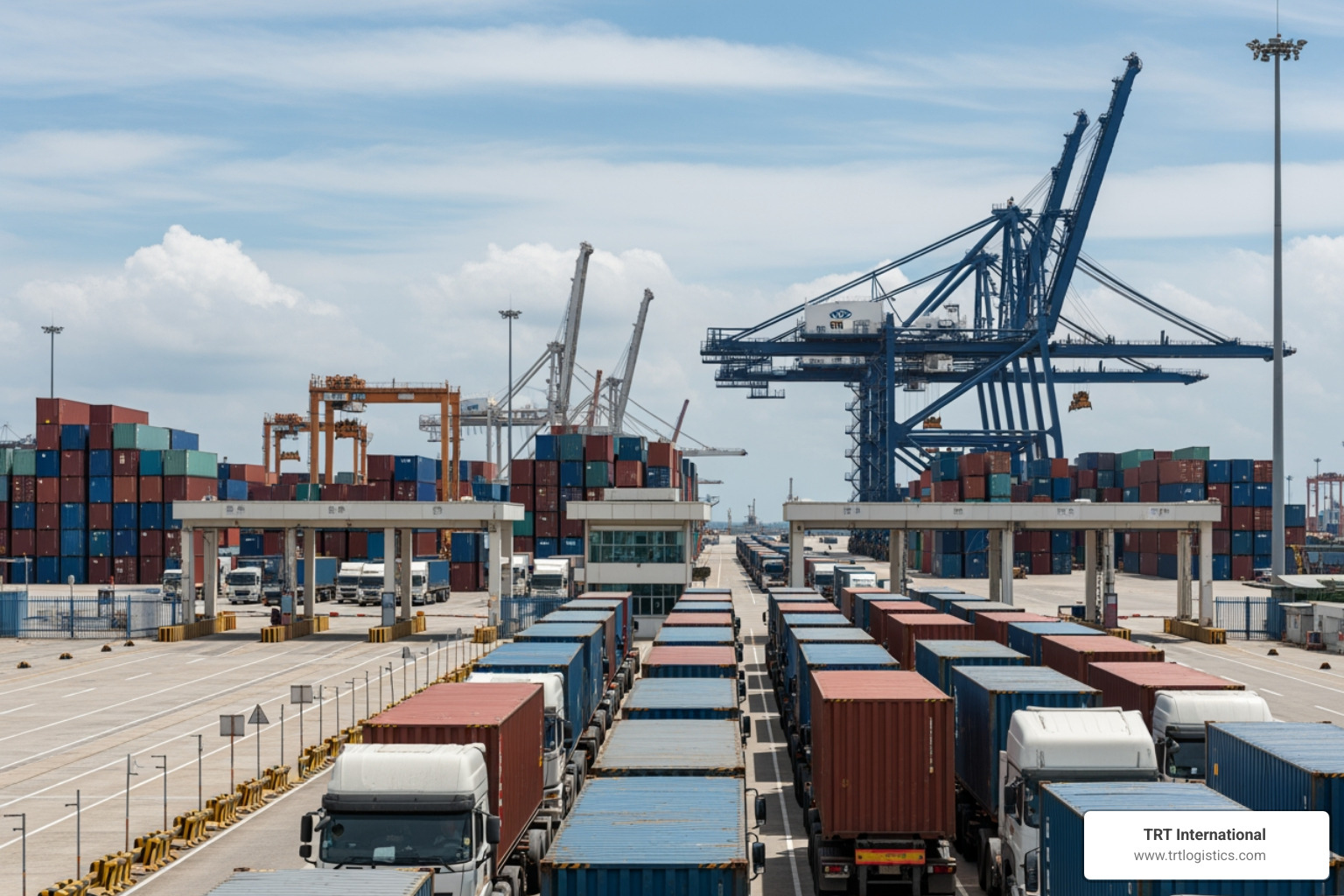
The Benefits of Efficient Drayage
When we manage drayage efficiently, the benefits ripple throughout the entire supply chain. The most immediate win is avoiding those dreaded demurrage and per diem fees. By swiftly moving containers out of the port and returning chassis on time, we save our clients substantial costs. This efficiency also translates to faster inventory turnover, meaning goods spend less time idle and more time moving through the supply chain, ultimately boosting profitability.
A reliable drayage partner ensures supply chain reliability, providing peace of mind that your cargo will move as planned, even amidst port complexities. This reliability also contributes to overall cost savings, as fewer unexpected charges and delays mean more predictable budgeting. We believe in making logistics straightforward; for a clearer understanding of how, check out Drayage Services Simplified.
Common Problems in Newark Drayage
Despite the advancements, local drayage Newark is not without its operational headaches. Terminal congestion remains a significant challenge, with trucks often facing long wait times to pick up or drop off containers. Equipment availability, particularly chassis, can be unpredictable, leading to further delays. Regulatory compliance is another complex area, with changing rules and requirements for everything from hazardous materials to driver hours. During peak seasons, the port experiences surges in activity, often leading to additional surcharges and increased pressure on drayage operations. Industry insights often highlight the impact of fluctuating trade volumes on port operations, underscoring the need for agile and responsive drayage solutions.
Choosing the Right Partner for Local Drayage Newark
Selecting the right partner for local drayage Newark is paramount to the success of your supply chain. It’s more than just hiring a truck; it’s about finding a logistics extension of your business. We often emphasize the value of asset-based carriers, like ourselves, who own their equipment and employ their drivers. This model provides greater control over operations, capacity, and service quality, reducing reliance on third-party availability.
Local expertise is non-negotiable. A provider with deep roots in Newark will have established port relationships, understand the nuances of each terminal, and possess the agility to steer daily operational changes. A strong safety record and comprehensive insurance coverage are also vital, protecting your cargo and mitigating risks.
When evaluating a potential drayage provider, we encourage you to ask thorough questions. Here’s a list to get you started:
- What is your average turnaround time at Port Newark terminals?
- How do you manage chassis availability and shortages?
- Do you offer real-time tracking and visibility for shipments?
- What is your protocol for handling demurrage and per diem fees?
- Can you provide references from clients with similar cargo needs?
- What is your experience with specialized cargo (e.g., oversized, overweight, hazmat)?
- How do you ensure compliance with all port regulations and safety standards?
- What is your capacity during peak seasons?
- Do you have secure container storage facilities near the port?
- What technology do you use to optimize drayage operations?
Evaluating Experience and Specialized Capabilities
Experience truly matters in drayage. We look for partners with years of operation in the Newark area, demonstrating a proven track record. The experience of the drivers themselves is critical; they are on the front lines, navigating complex port layouts and traffic. Drivers with decades of experience are invaluable, as they possess an intimate knowledge of port procedures and an innate ability to troubleshoot issues on the fly.
Our particular specialization lies in handling complex and specialized cargo, including oversized loads, overweight freight, and hazardous materials (Hazmat). We manage all processes in-house, ensuring full control and reliability from pickup to delivery. This capability, combined with our multilingual agents and a dedicated port zone office, allows us to provide seamless service even for the most challenging shipments. Many drayage companies in New Jersey are equipped to handle specific Hazmat classes, such as classes 3, 8, and 9, and some even specialize in overweight or oversized container drayage, as seen in various listings. When your cargo demands extra care and specific certifications, partner with someone who has demonstrated expertise.
Key Services for Local Drayage Newark
A comprehensive drayage provider offers more than just transportation. We provide a suite of services designed to streamline your supply chain. Secure container storage yards near the port are crucial for holding containers that can’t be immediately moved to their final destination, helping to mitigate demurrage. Transloading services, where cargo is transferred from an international container to a domestic trailer, offer flexibility and cost savings. Cross-docking further optimizes this process by immediately transferring goods to outbound trucks.
Chassis provisioning is another vital service. Rather than relying on potentially scarce port chassis, providers who offer their own chassis fleets can ensure availability. Power-only services, where a drayage provider supplies only the truck and driver to move a client’s own trailer or container, also offer flexibility. For certain types of cargo, bonded carrier services are essential, allowing goods to move under customs bond without immediate payment of duties. You can explore all our offerings by visiting Our comprehensive services.
Cost Factors in Local Drayage Newark
Understanding the typical costs associated with local drayage Newark is crucial for budgeting and cost control. The base rate covers the fundamental transportation service, but several other factors can influence the final price. Fuel surcharges fluctuate with fuel prices, while wait time fees are applied when drivers spend excessive time at the port due to congestion or delays. Chassis split fees occur when the container and chassis are picked up from different locations. Pre-pull charges apply when a container is picked up from the port and stored in a yard before its final delivery. Lastly, storage fees are incurred for containers held in a drayage provider’s yard beyond a certain free period. A transparent provider will clearly outline all potential charges upfront, helping you avoid unwelcome surprises.
The Future of Newark Drayage: Technology and Sustainability
The landscape of local drayage Newark is continuously evolving, driven by advancements in technology and an increasing focus on sustainability. Terminal Operating Systems (TOS) and Transportation Management Systems (TMS) are at the heart of this evolution, optimizing everything from vessel scheduling to gate operations. These systems, like the PortPro TMS used by some drayage companies, enable greater efficiency and communication.
Real-time tracking and GPS technology have become standard, offering unparalleled visibility into cargo movement. No more guessing games; you can see exactly where your container is at any given moment. Port appointment portals have revolutionized terminal access, requiring truckers to schedule pickups and deliveries, which, while sometimes challenging, aims to reduce congestion and wait times.
Sustainability initiatives are also gaining significant traction. Clean truck programs and ambitious emission reduction goals are pushing the industry towards greener practices. The long-term vision includes the widespread adoption of electric trucks for drayage operations, reducing the carbon footprint of port logistics. Beyond environmental concerns, the industry is also embracing social responsibility. For instance, many organizations are joining the fight against human trafficking, recognizing the crucial role truckers play in identifying and reporting suspicious activities. To learn more about this important initiative, visit Truckers Against Trafficking. These technological and sustainable shifts are not just trends; they are foundational changes shaping the future of drayage in Newark.
Conclusion: Your Expert Partner in Port Newark
Local drayage Newark is far more than just moving boxes. It’s a complex, , and vital component of the global supply chain. The benefits of local expertise—from navigating congested terminals to understanding intricate regulations and leveraging established relationships—cannot be overstated. A reliable drayage partner is not just a service provider; they are a strategic asset, helping you avoid costly delays, optimize your inventory flow, and ensure your cargo reaches its destination efficiently and safely.
At TRT International, we pride ourselves on being that expert partner. Our in-depth knowledge of the Port Newark-Elizabeth Marine Terminal, coupled with our specialization in oversized and overweight cargo, ensures that even your most challenging shipments are handled with precision. We manage all processes in-house, providing full control and reliability, supported by our dedicated team of multilingual agents and a strategically located port zone office. When it comes to local drayage Newark, trust us to handle the complexities so you can focus on your business.
Ready to optimize your Port Newark logistics? Find the best port drayage services in Port Newark, NJ with TRT International.